
Heat, Cold and Breath: How to Stay in Control During a Pure Heat Session
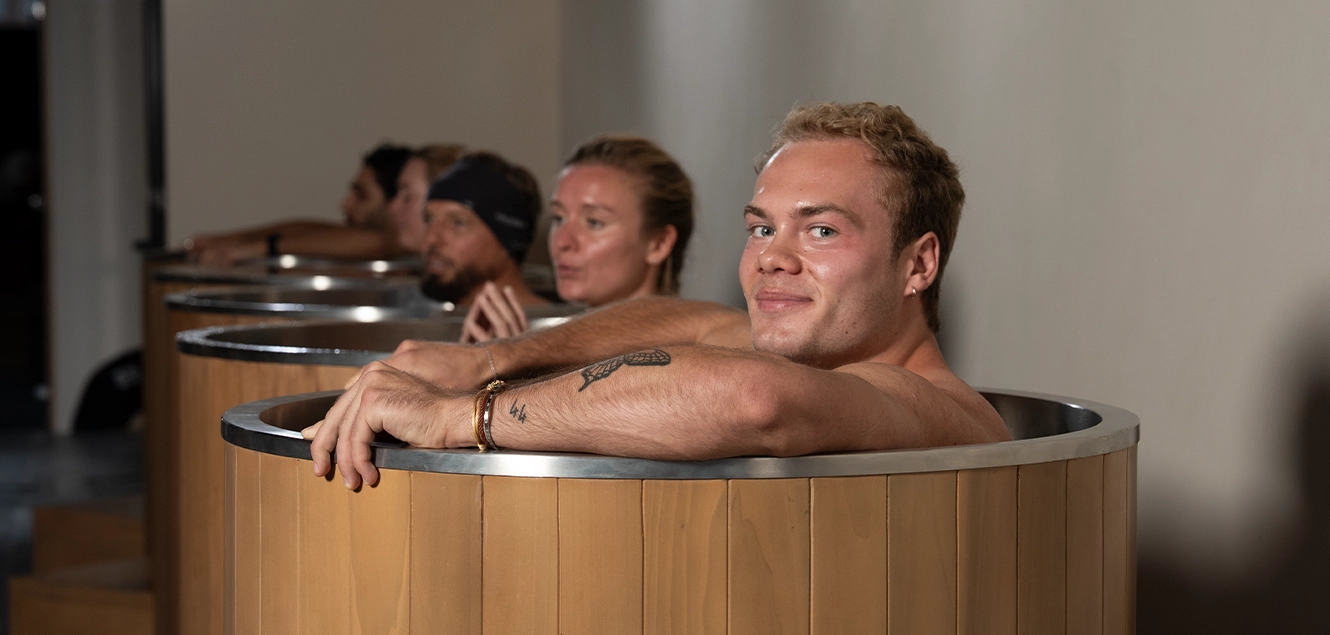
Breath is one of the first things you notice during a Pure Heat session.
In the sauna, your breathing starts to slow as the heat builds. In the cold plunge, your breathing can change quickly as the body reacts to the cold. Between both, breath becomes the point of control.
At Pure Heat Club in Arjan, Dubai, every session is guided by a facilitator and built around repeated rounds of Aufguss sauna, cold plunge, hydration and recovery time. The structure is clear, but the experience still requires focus. Heat asks for patience. Cold asks for composure. Breath helps you stay steady through both.
This is not about forcing yourself through discomfort. It is about learning how to move through intensity with awareness and control.
Why Breath Matters During Heat and Cold
Breath matters because it is one of the few things you can control when the environment changes.
When the sauna heats up, the body begins to adapt. You may feel your heart rate rise, your skin warm and your focus narrow. When you enter the cold plunge, the reaction is faster. The cold feels immediate, and your breathing may become sharper without you thinking about it.
This is where breath becomes useful.
It gives your mind something steady to return to. Instead of reacting to every sensation, you can focus on each inhale and exhale. That does not remove the heat or cold, but it helps you stay present inside the experience.
For many first-time guests, this is one of the most important lessons of the session. The body reacts, but you can still stay in control.
The Heat Round: Learning Patience
The heat round is where the session begins to build.
Inside the sauna, the facilitator introduces aromatic steam and moves the heat through the room with timing, rhythm and control. The atmosphere changes gradually. The room becomes warmer, the steam moves through the space and the group settles into the round together.
In the heat, breath often becomes slower and more deliberate. The challenge is not sudden shock. The challenge is patience. You stay with the heat as it builds, paying attention to how your body responds.
This is why guidance matters. The facilitator leads the timing, so you are not guessing how long the round will last or when it will end. That structure gives you space to focus on your breathing and your own response.
The heat round teaches you to stay present while intensity builds.
The Cold Plunge: Practising Composure
The cold plunge asks for a different kind of control.
After the heat round, the cold feels immediate. The body reacts quickly. Breathing may change, and the first instinct can be to tense up or rush through the moment.
This is where breath control cold plunge practice becomes important. The aim is not to fight the cold. The aim is to stay steady while the body adjusts. A calmer breath helps bring the mind back into the moment and gives the body time to settle.
At Pure Heat, the cold plunge is not treated as a random challenge. It is part of the round. The heat builds intensity, and the cold creates a sharp reset. That reset is where control becomes most visible. You are not trying to prove how long you can stay in. You are learning how to stay composed when the body is reacting.
Why Guidance Makes Control Easier
A guided session makes it easier to stay steady because the structure is already set.
In a self-led environment, you have to decide when to enter the sauna, how long to stay, when to cool down, how to approach the cold and whether to repeat the process. That can create uncertainty, especially for beginners.
At Pure Heat, the facilitator leads the flow. The heat round has a beginning and an end. The cold plunge fits into the sequence. Recovery time follows. The next round begins when the structure calls for it.
This allows you to focus on the experience rather than managing the format yourself. You can pay attention to your breath, your body and the room, knowing the session is being guided. That is one of the main differences between Pure Heat and standard sauna access.
Round One: Finding the Rhythm
The first round introduces the rhythm of the session.
The heat begins to build, the facilitator sets the pace and the room starts to settle into the atmosphere. For first-time guests, this round is often about understanding how the experience works.
This is a good time to focus on breathing steadily. Notice how your body feels as the heat builds. Notice how your breathing changes. Notice how the group moves through the round together. After the heat, the first cold plunge brings the first reset. The cold may feel sharp at first, but the goal is to stay with your breath and let the body settle.
The first round is not about mastering the experience. It is about learning the rhythm.
Round Two: Staying With the Experience
The second round usually feels more familiar.
Your body has already experienced heat and cold once. You understand the sequence better. The room feels more settled, and the facilitator can build the experience further.
This is where breath becomes even more useful. Because the experience is no longer completely new, you can start paying closer attention to how you respond. The heat may feel more immersive, and the cold may feel more direct, but the structure is familiar.
The second round is often where people begin to understand why repeated guided rounds matter. Repetition gives you another chance to meet intensity with more awareness than the first time.
That progression is part of the Pure Heat format.
Round Three: Control Under Intensity
The third round is the final build.
By this point, the body has moved through heat, cold and recovery twice. The group understands the rhythm, and the facilitator brings the session toward its strongest point.
This round is not about forcing yourself through discomfort. It is about staying controlled as the intensity rises. The heat builds again, the atmosphere sharpens and the group moves through the final round together.
When the final cold plunge arrives, breath becomes important again. It helps bring the body back to steadiness after the strongest heat round. This is why Pure Heat sessions are built around repetition. Each round gives you another opportunity to practise control.
Breath During the Cold Plunge
The cold plunge is where breath usually becomes most noticeable.
The first reaction may be quick and sharp. That is normal. The key is not to let the first reaction take over the entire experience. Once you enter the cold, focus on slowing the breath as much as possible. Keep your attention on each inhale and exhale.
The cold is intense, but it is temporary. The breath helps you stay connected to the moment instead of trying to escape it mentally. This is one of the reasons cold plunge can feel powerful after the sauna. It gives you a direct moment to practise composure. The body reacts, and you learn how to stay steady.
Breath During the Sauna Round
Breath in the sauna works differently.
The heat builds more gradually than the cold. Instead of a sudden reaction, the challenge is staying patient as the round progresses. Breathing steadily helps you avoid unnecessary tension and keeps you aware of how your body is responding.
The facilitator-led atmosphere supports this. Music, aromas, steam and pacing shape the room, but breath keeps you connected to your own experience. The heat round teaches patience. The cold plunge teaches composure. Together, they create a full experience of control.
Why Recovery Time Matters
Recovery time between rounds is part of the structure.
After the cold plunge, the body needs time to settle before returning to the sauna. This is where breathing begins to return to a more natural rhythm. The system calms, hydration happens and the group prepares for the next round.
This part should not be rushed. Recovery gives you space to understand how the previous round affected you. It also prepares the body and mind for the next round. Without recovery time, the experience would feel incomplete. The reset needs space.
Pure Heat includes that space intentionally.
Mental Resilience and Control
Pure Heat sessions can support mental resilience because they place you in a controlled environment where intensity is expected, guided and repeated.
The heat challenges patience. The cold challenges composure. The facilitator gives the session structure. Breath gives you a way to stay connected inside the experience. This does not mean the session is easy. It means the experience gives you a format to practise control.
For athletes, professionals and anyone living under pressure, that can be valuable. The session gives the body and mind a clear task: stay present, breathe and move through the round.
What First-Time Guests Should Know
If it is your first Pure Heat session, you do not need to worry about getting everything right. You are not expected to have perfect breath control. You are not expected to enjoy every second of the cold. You are not expected to know exactly how your body will react.
The session is guided for a reason.
Follow the facilitator, listen to your body and use your breath as an anchor. If you feel unwell, uncomfortable or unsure, step out and speak to the team. The goal is not to push past your limits. The goal is to learn your response.
How Pure Heat Builds Control Through Structure
Pure Heat is built around structure because structure creates clarity.
Each session includes guided Aufguss sauna rounds, cold plunge, hydration and recovery time. The facilitator leads the room, and the format gives each guest something to follow.
This matters because control is easier when the experience has shape. You know when the round begins. You know when the heat builds. You know that the cold plunge follows. You know that recovery time comes after. You know the cycle repeats. That structure allows you to focus on breath and response instead of guessing what comes next.
Where to Practise Heat, Cold and Breath in Dubai
You can experience guided heat, cold and breath control at Pure Heat Club in Arjan, Dubai, located on the ground floor of Mimoza Building.
Sessions are booked through the Pure Heat Club app, where you can view the schedule and choose the session style that fits your level and energy. Whether you are new to sauna and cold plunge or already familiar with heat and cold, the guided format helps you move through the experience with structure and control.
Final Thoughts
Heat and cold both create intensity.
Breath is what helps bring you back to control.
At Pure Heat Club, the experience is built around guided Aufguss sauna rounds, cold plunge, hydration and recovery time. The facilitator leads the session, but your breath helps you stay present through the rounds. This is not about proving toughness. It is about learning how to stay steady when the environment changes.
The heat builds. The cold resets. Breath keeps you in control.
- By
- Mohammad Munawar
Share this post